What is Structural Medicine?
All Structural Integration bodywork practices, including Structural Medicine, are rooted in the pioneering work of Dr. Ida P. Rolf in the mid-20th century. Her approach, known as Rolfing, emphasized the body’s overall movement and function rather than simply treating specific symptoms. Central to her method was the 10-session series, designed to systematically realign and balance the body's structure by addressing fascial restrictions layer by layer. Her groundbreaking insights into fascia and its role in the body’s alignment laid the foundation for what we now recognize as Structural Integration. Over time, practitioners have further explored and expanded upon these principles, leading to the diverse range of Structural Integration methods practiced today.
Among these practices, the Institute of Structural Medicine was founded by my teacher, Donna Bajelis—a former physical therapist and Hellerwork practitioner. Hellerwork, developed by one of Ida Rolf’s students, explores the emotional and psychological patterns that influence posture and movement. It integrates dialogue and movement education, whereas Rolfing primarily focuses on hands-on manipulation to realign the body.
Donna’s success in merging her physical therapy expertise with structural integration inspired her to create the Institute of Structural Medicine. Her vision was to establish a collaborative space where healthcare professionals from diverse backgrounds could bridge traditional and alternative therapies. Structural Medicine draws from Hellerwork principles, the Rolfing System, Anatomy Trains (Anatomy Trains: Myofascial Meridians for Manual and Movement Therapists; Myers, 2020), Voice Dialogue (Embracing Ourselves: The Voice Dialogue Manual; Stone & Stone, 1993), and physical therapy.
A key innovation within Structural Medicine is myofascial length testing, a system Donna developed to assess restrictions in specific muscles and fascial meridians. This method provides a comprehensive view of a client’s fascial tensegrity system. By using test results, practitioners can position clients either on slack or under tension during treatment to optimize its effects. Because treating one fascial segment influences the entire system, testing and retesting are valuable tools for evaluating changes in range of motion. As Donna beautifully states in the introduction to her Myofascial Length Testing book,"This is for the scientist and the artist in all of us."
The Institute of Structural Medicine offers a particularly unique and comprehensive 4-year, 2,535-hour program. In my experience, the extended training period allowed us to dive deeply into the material, developing as practitioners in a way that felt thorough and meaningful. With a graduating class of just five, the environment was intimate, enabling Donna to adapt the class structure to fit individual learning styles. This personalized approach created a space where we could not only master the technical aspects of Structural Medicine but also explore our own personal growth. We were taught how to hold space for one another, and we personally witnessed the powerful role such an environment can play in healing and transformation. Completing the program in July of 2023, I feel deeply honored to have been part of this journey. The last four years have been transformative, equipping me with skills and insights that I value greatly. Donna's teachings are something I will continue to learn from and build upon throughout my life.
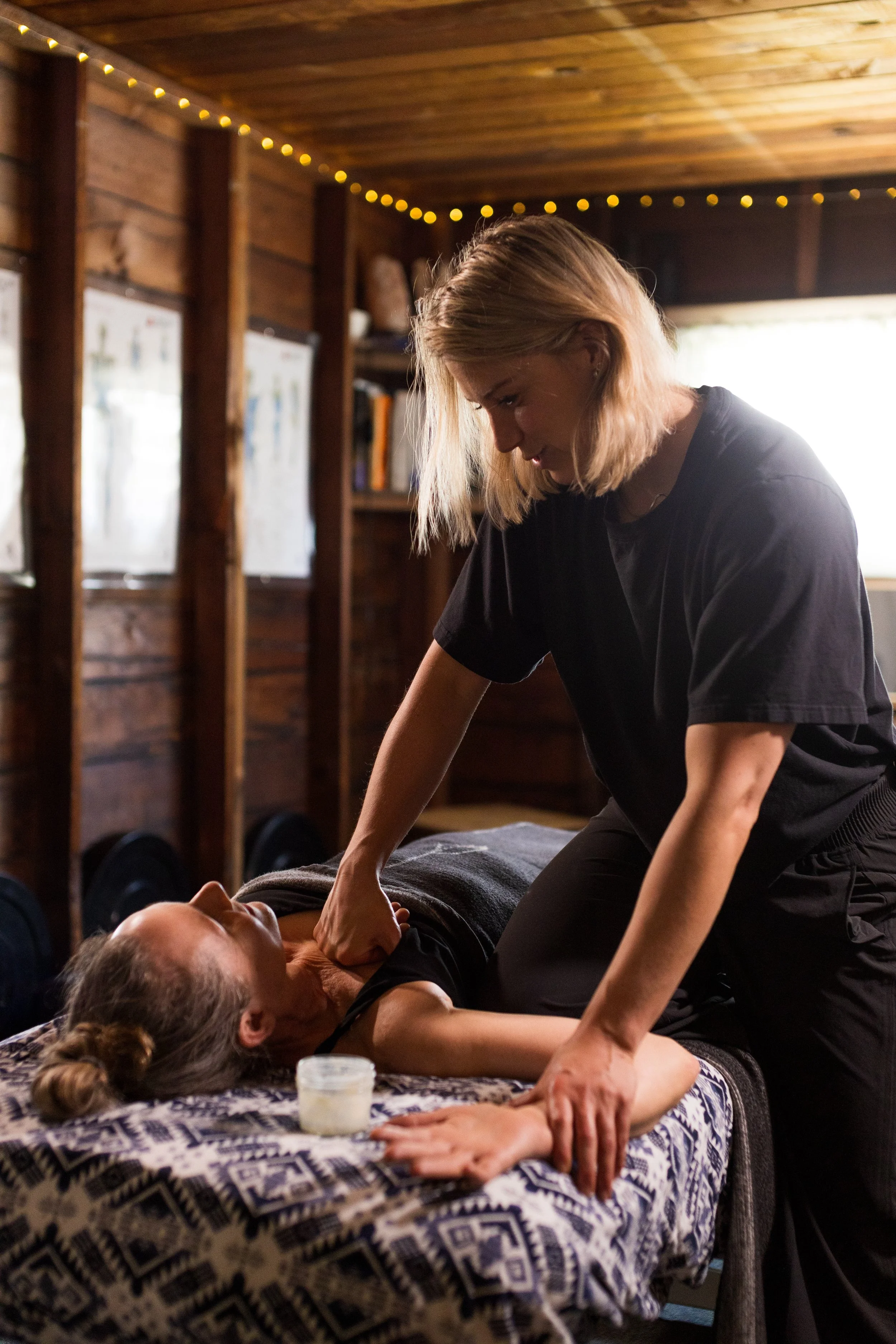
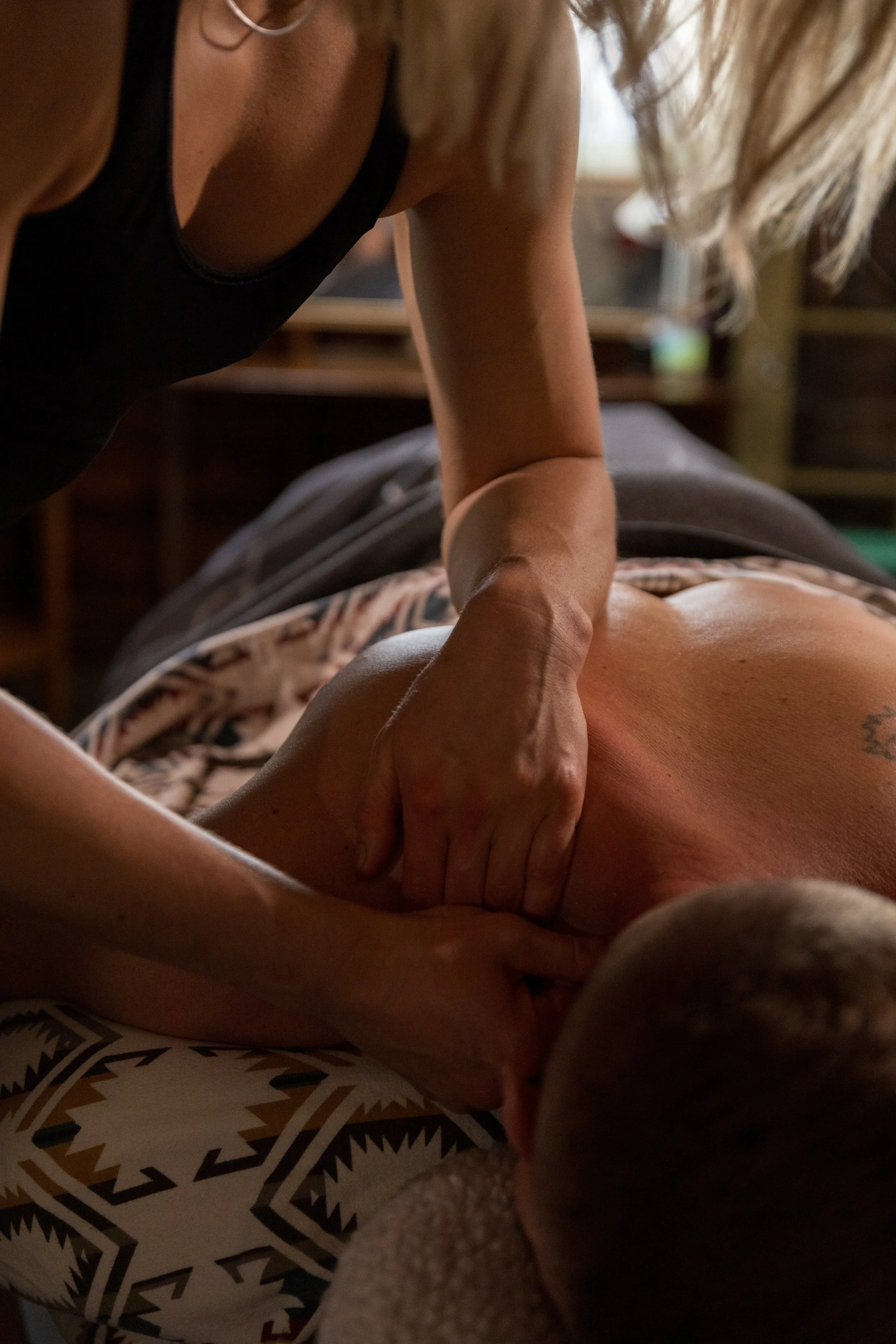
Structural Medicine blends conventional medical evaluation tools, like strength and range of motion assessments, with alternative therapies such as myofascial release, energetics, and dialogue. It feels like science, with just the right touch of intuition and insight (woo). At its core, it is a form of deep tissue "massage" designed to improve alignment through a series of sessions that systematically unravel and balance the fascial system. This approach provides a comprehensive pathway to relieve pain, enhance mobility, improve posture, and support overall well-being and longevity. A well-aligned body moves with greater efficiency, improving strength, power, and durability—key benefits for athletes seeking peak performance.
Additionally, addressing fascial restrictions before surgery can facilitate a smoother, faster recovery, while post-operative work helps prevent scar tissue from creating unnecessary restrictions. Fascial work promotes healing by releasing adhesions, restoring the fascia’s natural elasticity, and improving both mobility and pain levels. Additionally, it enhances circulation and nerve function, rebalances tension patterns, and reduces compensatory strain on surrounding tissues.
Beyond the physical benefits, Structural Medicine also addresses emotional and psychological tension stored in the fascia, fostering a deeper sense of ease and well-being. By supporting the body's natural healing capacity and promoting optimal alignment, it becomes a powerful tool for anyone looking to improve their physical health, recover from injuries, or enhance their overall quality of life.
What is Fascia?
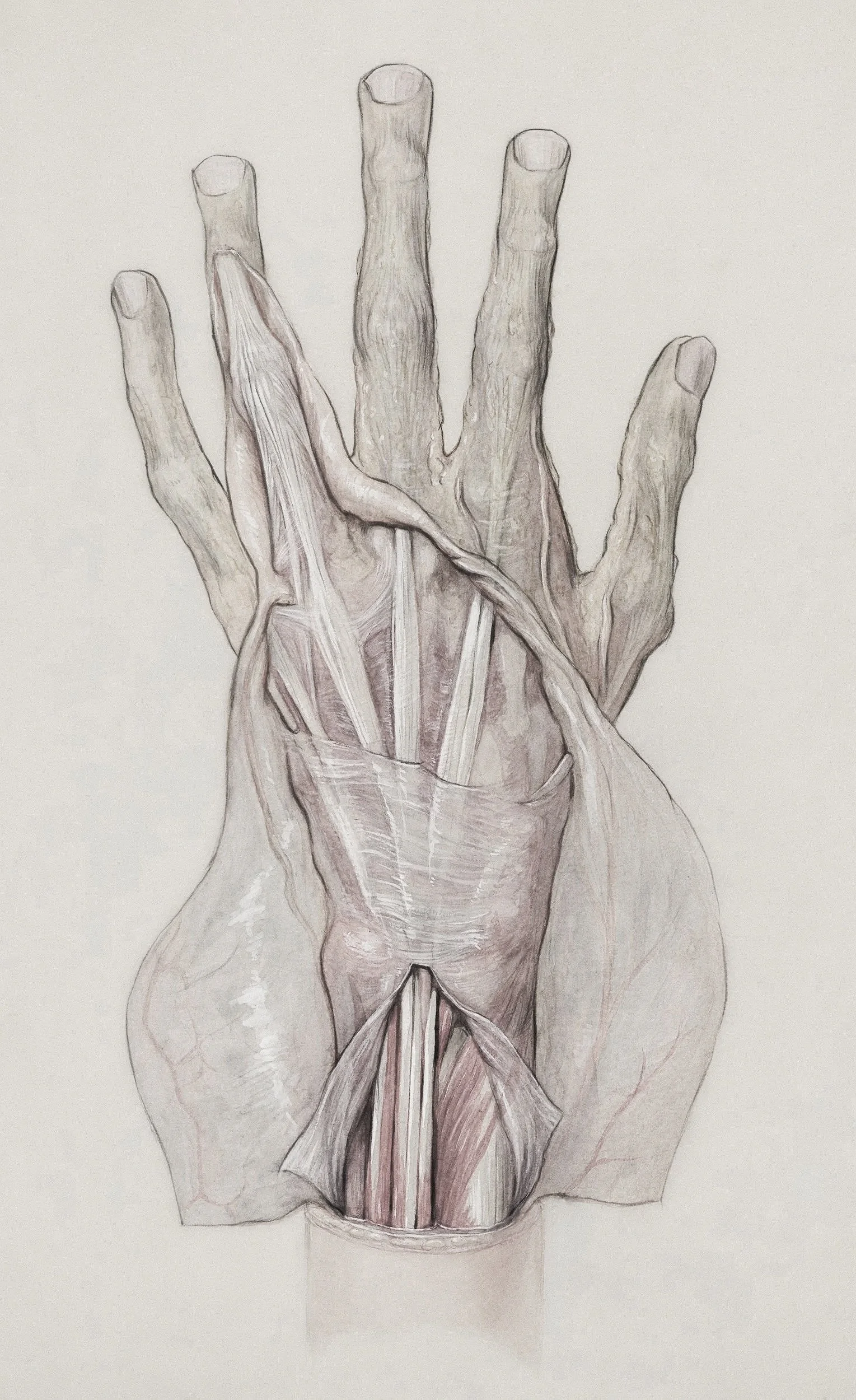
Fascia is like the body’s internal scaffolding—a continuous, stretchy web of connective tissue that surrounds and supports everything inside you: your muscles, bones, organs, and even your nerves. Think of it as the glue that holds you together, but it’s also dynamic and alive, adapting to how you move, sit, and even how you feel.
When it’s healthy, fascia is soft, flexible, and glides smoothly, allowing your body to move freely. But if it gets tight, stuck, or dehydrated—maybe from an injury, stress, or repetitive patterns—it can restrict movement, cause discomfort, and pull on other parts of your body, like a snag in a sweater affecting the whole fabric.